Intra-uterine hCG at Embryo Transfer: “Jump-Starting” the Implantation Process
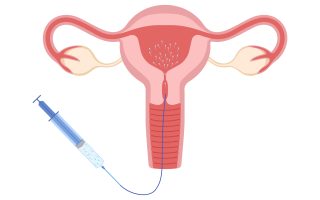
Although most clinics monitor the ultrasound appearance of the endometrium (the lining of a woman’s uterus) this does not always reflect the hormonal, immunologic and nutritional environment where the embryo is expected to implant and grow. In 1998 a study [r2] demonstrated that a small amount of the hormone called “human chorionic gonadotropin (hCG) can be placed into the uterus and trigger a cascade of events that improve implantation. In fact, we now understand that process of “implantation” involves the embryo being “engulfed” as the tissue grows up and around the embryo. hCG promotes that process to take place. This same critical hormone promotes beneficial changes in the uterine muscle and the immune cells in the uterus necessary to enhance pregnancy. A recent study [r3] measured the effect of putting a small drop containing 500 IU of hCG in the uterus immediately before an embryo transfer. They demonstrated about a 30% improvement in implantation and on-going pregnancy in women that received this treatment. They also tested smaller doses and found no improvement—further supporting that a crucial level of hCG is necessary to induce this measured benefit. As a result of this information, we are encouraging the use of 500 IU of Intra-uterine hCG as part of our embryo transfer routine. Robert Greene, MD, FACOG 12 Responses to “Intra-uterine hCG at Embryo Transfer: “Jump-Starting” the Implantation Process”Leave a Reply |
This is really interesting! I researched the trails and other articles online as well. We are now considering using intrauterine HCG at our next FET!
That is great, Denise! Please let us know if you have any questions!
Does the intrauterine HCG has an extra cost or is it part of the FET?
Have any studies been done that show if results are similar for older women? Also, has anyone looked at checking blood level HCG just prior to implantation to see if any correlations can be made?
Hi Penny,
According to Dr. Greene, there have not been any studies showing similar results in older women, or preimplantation hcg levels. Please feel free to contact our office with any further questions.
Is the hcg a common practice now or do we need to ask for it? I am a new patient with you and am in my testing month.
Hi Penny,
We would like to also add that although there have been no formal studies on the matter, that does not mean that there would be no benefit. Please let us know if there is anything else that we can do for you!
Hi Michelle,
We are offering this across the board for all clients. However, please feel free to always let us know if you have any questions or would like to confirm that we are using hcg with your transfer.
Best of luck, and thanks for asking!
Lisa
Hi Minerva,
We will order a patient one HCG to be used with their FET. If not covered by your insurance, we can utilize a specialty mail order pharmacy. The cost is approximately $100 and we have it shipped directly to our office for you. This cost is not included in the FET price.
If you have any additional questions, please feel free to contact our office!
Lisa
Interesting article, thanks for posting. Would this prove to be beneficial with implantation in cases of insemination, as well?
Hi Emily!
That is a great question. According to our Team of Doctors at CNY Fertility, there is no data to comment on regarding intra-uterine hCG and IUI. There is also no evidence that the cost would justify any potential benefit. Additionally, it could interfere with pregnancy by inhibiting the ability of sperm to survive in the uterus. Please let us know if you have any additional questions. We would love to discuss your cycle and options at any time: http://cnyfertility.com/about-us/contact-us/
How does this differ from embryo glue? Do you know if this is standard pratice in Australia?