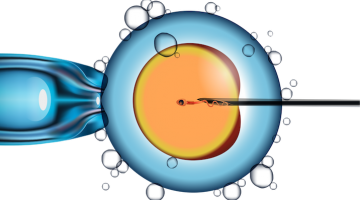
ICSI
A special fertilization technique whereby sperm are loaded into a micro needle and injected directly into the egg.
MINI IVF
IVF treatment with a reduced medication protocol designed to recruit fewer, but higher quality eggs than standard stimulation.
NATURAL IVF
An IVF cycle with no medications to retrieve one egg. Not often recommended.
FET
The transfer of a previously frozen embryo from an IVF cycle. Often with similar or better success than fresh transfers.
ESET
The practice of transferring only one embryo. Same success rates, reduced risk to mother and fetuses associated with multiples pregnancies.
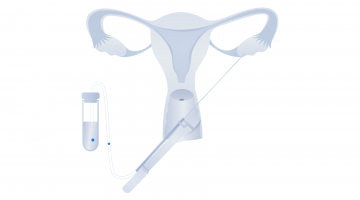
INVOCELL
An IVF fertilization alternative where sperm and egg are placed in a thumb sized medical device and inserted into the vagina for fertilization and early development.
CONVENTIONAL IVF
Sperm and egg are left in a petri dish after retrieval and collection to fertilize “naturally.” An ICSI alternative.
Reciprocal IVF
An IVF variation for lesbian (or trans men) couples in which embryos made from one partner’s eggs are put into the other partner’s womb.
Fertility Treatments
IVF - In Vitro Fertilization
In Vitro Fertilization (IVF) is the gold standard of fertility medicine and the most effective fertility treatment available. IVF treatment offers the highest success rates and quickest time to pregnancy of any Assisted Reproductive Technology (ART).
IVF Treatment Process
In Vitro Fertilization has hundreds of steps, but can be drastically simplified down to just a few.
Treatment Preparation
-
Stimulation
Medications are taken to improve number and quality of eggs.
-
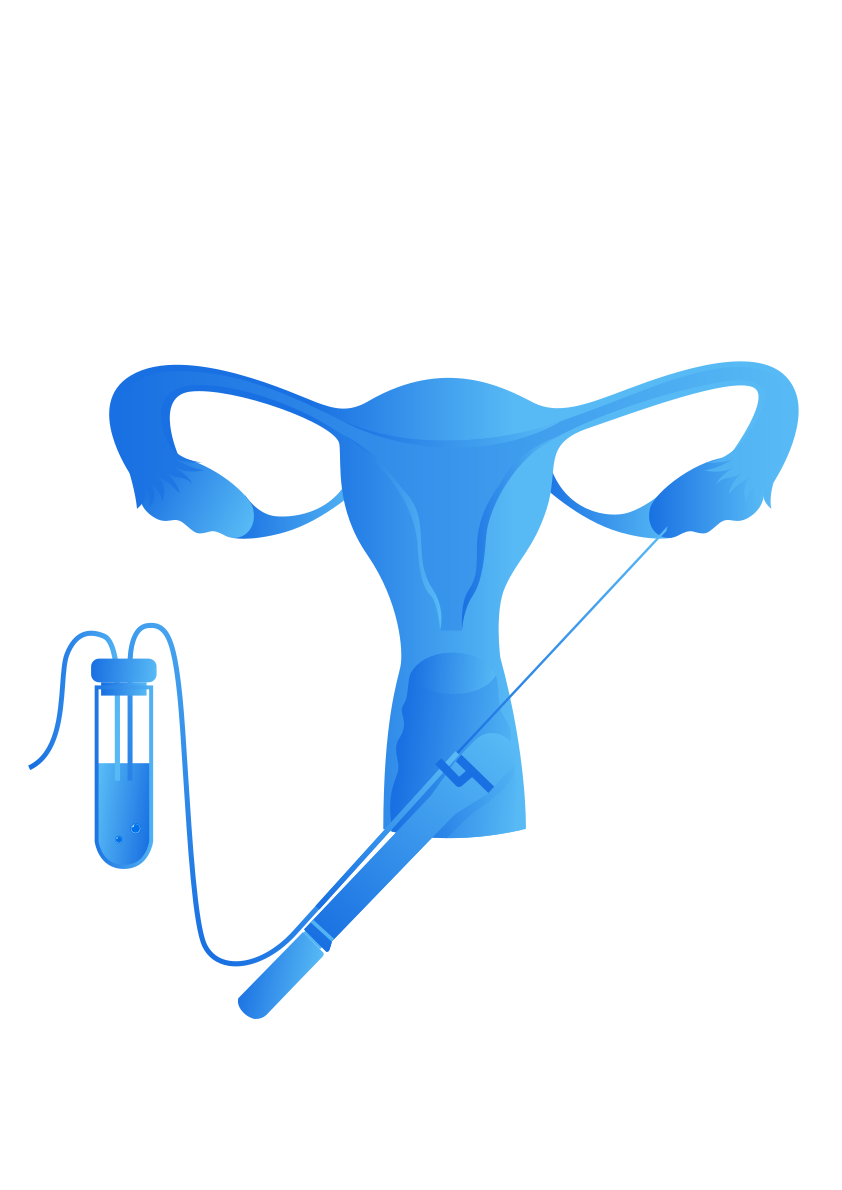
Retrieval & Collection
Eggs and Sperm are retrieved and collected.
-

Laboratory
Eggs are Fertilized and developed inside our embryology laboratory.
-
Transfer
Embryo(s) are transfered into a woman’s uterus.
Implantation & Pregnancy support
Continue Below For Detailed Explanation of Main Steps
IVF Process: Step 1
Ovarian Stimulation
- The first step of IVF treatment is ovarian stimulation. During ovarian stimulation, most women take hormone-based medications that encourage the ovaries to develop multiple follicles, each of which contains an egg. The simple idea here is more follicles = more eggs = more embryos = higher chance of implantation and a live birth. In fact, many In Vitro Fertilization cycles will result in a handful of embryos that can be frozen and stored for future use (in case the first transfer is unsuccessful or for use after a successful pregnancy).
Ovarian stimulation typically begins on days 2-4 of a woman’s cycle after a baseline appointment to designate your uterine lining, follicular, and hormonal baseline. Stimulation usually involves taking daily injectable medications for around ten days and will be followed closely with monitoring appointments every few days to track uterine lining, follicular, and hormonal development.
Once the egg-containing follicles reach the appropriate size, a final “trigger” medication will be used to promote the final maturation of the eggs.
More on Monitoring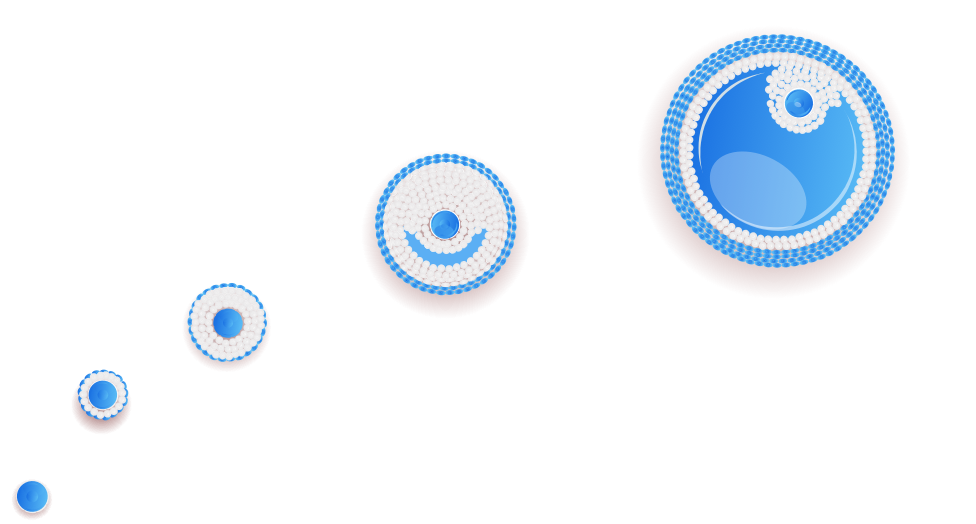
Egg development takes 90 days. In Vitro Fertilization only targets the final developmental phase of egg production taking place in the final 10-14 days. Make sure you’re doing the most to improve the quality of your eggs (and sperm . . . they’re half the battle) for that full 90 days. Egg and sperm quality is one of the major factors impacting IVF success and one of the major things you CAN CHANGE.
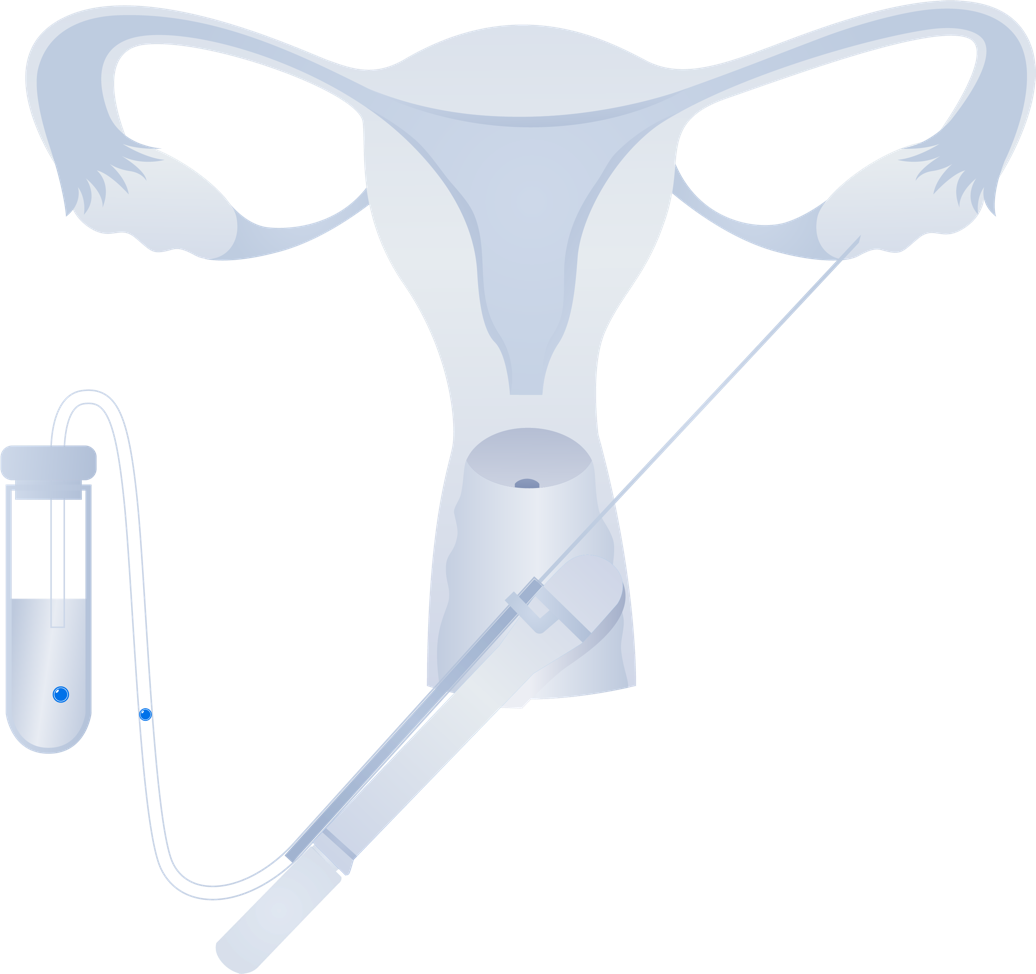
IVF Process: Step 3
The Laboratory - Fertilization
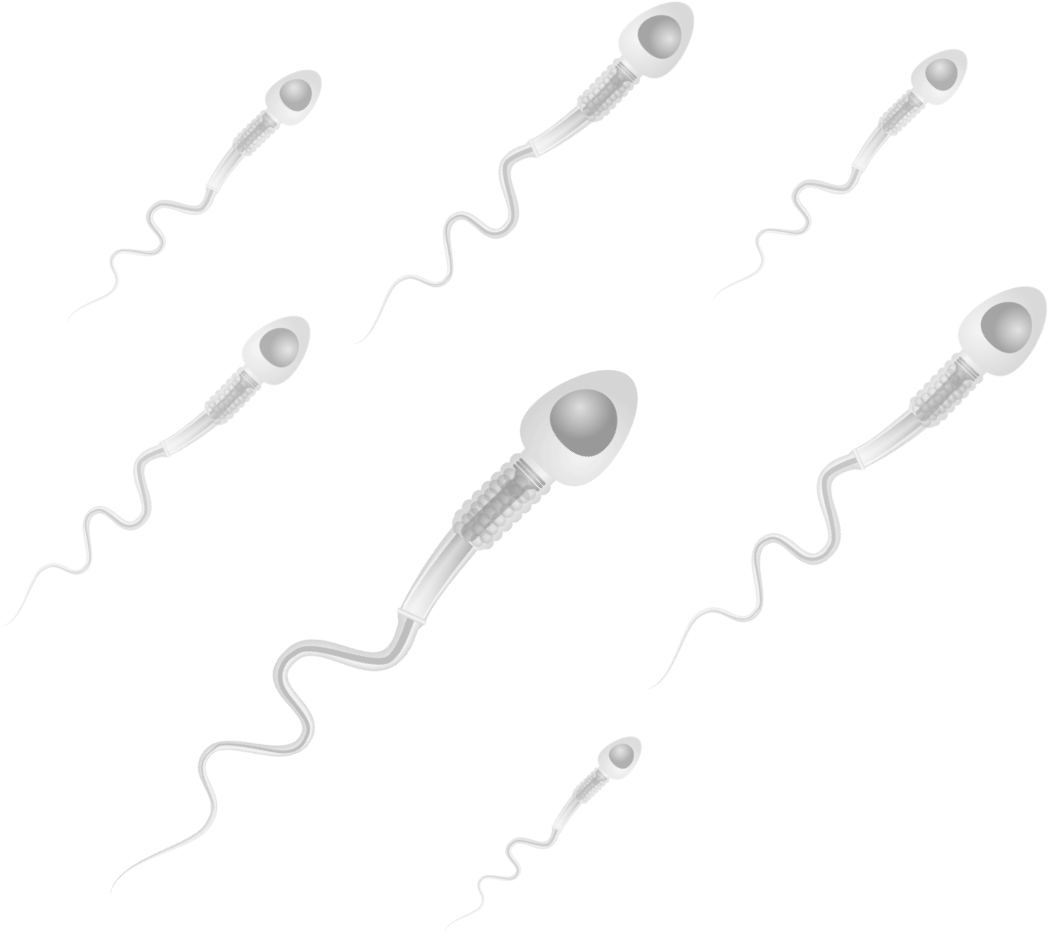
The third major step of IVF treatment takes place inside the embryology lab. It takes about 4-6 hours after the retrieval for the eggs to reach final maturity. At this point, the eggs and sperm will be ready for fertilization. There are generally two methods of fertilization.
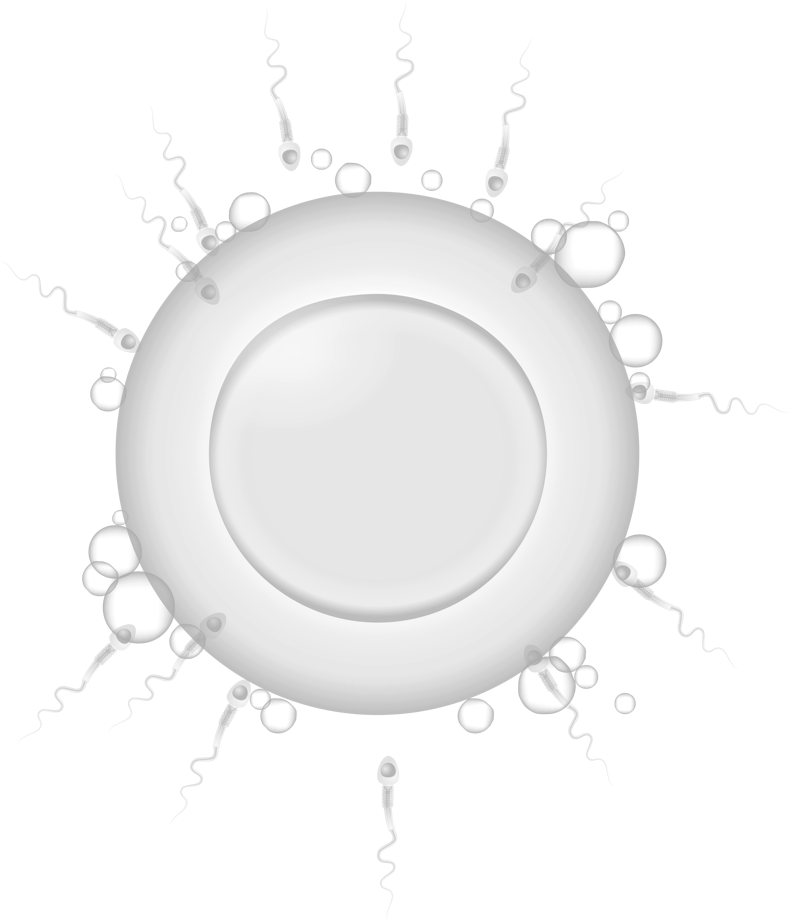
Conventional IVF Fertilization
Self-employed penetration of the egg by sperm inside a petri dish.
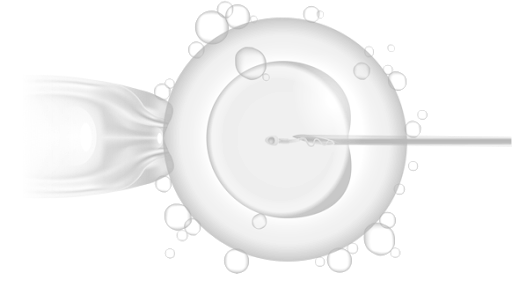
ICSI - Intracytoplasmic Sperm Injection
Individually injected eggs with a micro manipulator and hollow needle.
The Laboratory - Embryo Development
After fertilization, the embryos are grown in nourishing media that mimics the internal environment of a fallopian tube (where early embryonic development naturally occurs) for 3-5 day or until the embryo reaches a cleavage or blastocyst stage.
If an embryo is grown to a blastocyst stage, it can then be genetically tested. While this may be beneficial for some, it is not recommended for everyone.
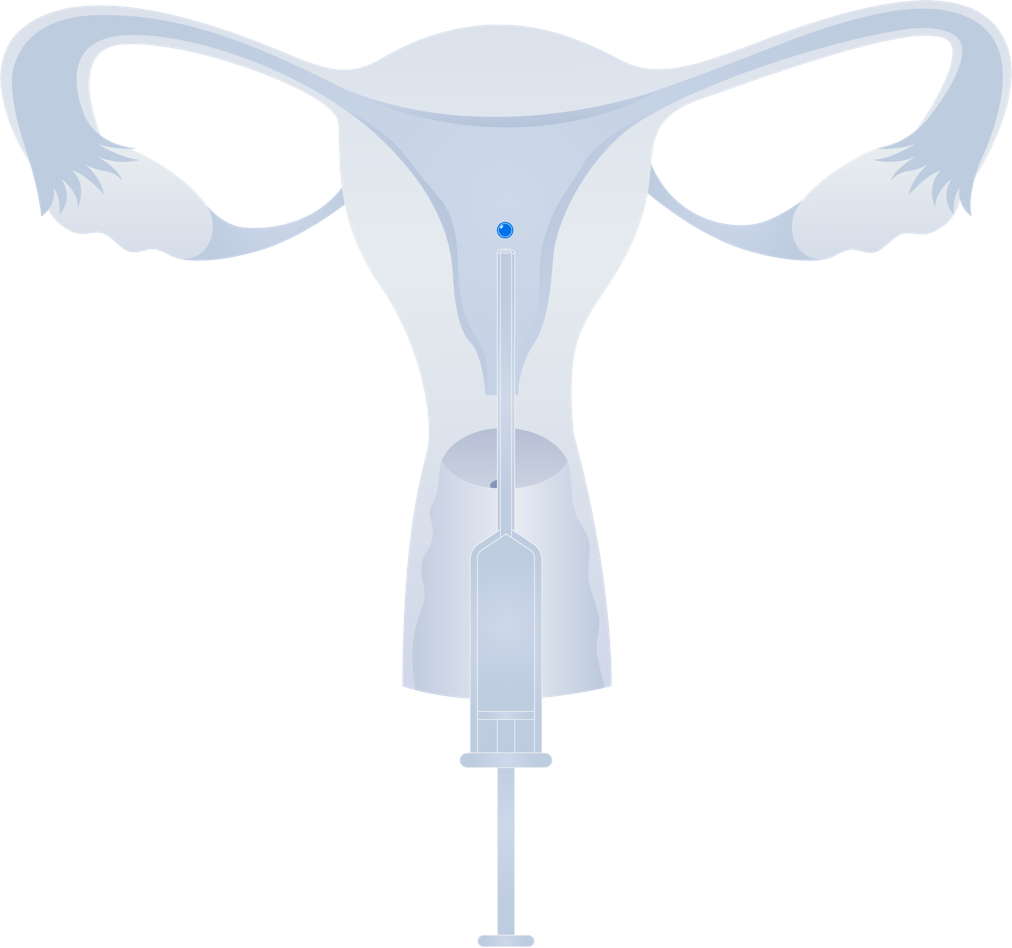
Establishing and Maintaining Pregnancy
Post Transfer Considerations
Following an embryo transfer, most women will likely take progesterone along with other medications to thicken the uterine lining to help the embryo implant and receive the nourishment it needs to flourish.
About two weeks after transfer, a blood test will be performed to determine if the pregnancy has taken.
If the pregnancy test is positive, an ultrasound will be scheduled two weeks later to determine the implantation site and often detects a heartbeat. The heartbeat should be seen by four weeks after a positive pregnancy test. Once a heartbeat is detected, there is a 90-95% probability that the pregnancy will continue to a live birth.
IVF Calendar
{{protocol_selected}}
Below is a standard Antagonist IVF calendar. The calendar sets day one to the day medications are started (which is usually days 2-4 of a female’s menstrual cycle). Each phase of an IVF is inherently variable and will be customized specifically for you.
Below is a standard Mini IVF calendar. The calendar sets day one to the day medications are started (which is usually days 2-4 of a female’s menstrual cycle). Each phase of an IVF is inherently variable and will be customized specifically for you.
Below is a standard Down-Regulation/Agonist IVF calendar. Downregulation protocols are uncommon but may be suggested by your provider based on your specific history. Each phase of an IVF is inherently variable and will be customized specifically for you.
Below is a standard FET calendar. The calendar sets day one to the day medications are started (which is usually days 2-4 of a female’s menstrual cycle). Each phase of an FET is inherently variable and will be customized specifically for you.
Below is a standard Egg Freezing calendar. The calendar sets day one to the day medications are started (which is usually days 2-4 of a female’s menstrual cycle). Each phase of an Egg Freezing is inherently variable and will be customized specifically for you.
Progesterone Start Day
Day
Progesterone Start Day {{progesterone_day}}
- 30-90 DAYS PRIOR TO TREATMENT CYCLE Kiltz’s Keto/Carnivore, OMAD Supplements ( F: Peak Prenatal, VIVOMEGA, Ovarian Bloom, Immunoglobulin IgG | M: Male Preconception+, VIVOMEGA ) LDN (by prescription only after consultation) HGH Humira (1 time two weeks prior to start of cycle)
Day {{day}}
- Office Visit: {{get_office_visit(day)}}
- FSH {{ is_FSH_start(day) ? "start" : "" }} {{ is_FSH_end(day) ? "end" : "" }}
- Lupron {{ is_lupron_start(day) ? "start" : "" }} {{ is_lupron_end(day) ? "end" : "" }}
- Letrozole {{ is_letrozole_start(day) ? "start" : "" }} {{ is_letrozole_end(day) ? "end" : "" }}
- hMG {{ is_hMG_start(day) ? "start" : "" }} {{ is_hMG_end(day) ? "end" : "" }}
- hCG+LH {{ is_hCG_start(day) ? "start" : "" }} {{ is_hCG_end(day) ? "end" : "" }}
- Antagonist {{ is_antagonist_start(day) ? "start" : "" }} {{ is_antagonist_end(day) ? "end" : "" }}
- {{get_lupron_label()}} {{ is_trigger_lupron_start(day) ? "start" : "" }} {{ is_trigger_lupron_end(day) ? "end" : "" }}
- hCG {{ is_trigger_hcg_start(day) ? "Take" : "" }}
- Procedure Day: Egg Retrieval
- Procedure Day: {{transfer_selected}}
- Pregnancy Test
- Estrogen, Progesterone
- Estrogen
- Progesterone
- {{get_level_1(day).join(", ")}}
- {{get_level_2(day).join(", ")}}
- {{get_level_3(day).join(", ")}}
- {{get_level_4(day).join(", ")}}
- {{tooltip}}
Day {{day}}
- Office Visit: {{get_office_visit(day)}}
- FSH {{ is_FSH_start(day) ? "start" : "" }} {{ is_FSH_end(day) ? "end" : "" }}
- Lupron {{ is_lupron_start(day) ? "start" : "" }} {{ is_lupron_end(day) ? "end" : "" }}
- Letrozole {{ is_letrozole_start(day) ? "start" : "" }} {{ is_letrozole_end(day) ? "end" : "" }}
- hMG {{ is_hMG_start(day) ? "start" : "" }} {{ is_hMG_end(day) ? "end" : "" }}
- hCG+LH {{ is_hCG_start(day) ? "start" : "" }} {{ is_hCG_end(day) ? "end" : "" }}
- Antagonist {{ is_antagonist_start(day) ? "start" : "" }} {{ is_antagonist_end(day) ? "end" : "" }}
- {{get_lupron_label()}} {{ is_trigger_lupron_start(day) ? "start" : "" }} {{ is_trigger_lupron_end(day) ? "end" : "" }}
- hCG {{ is_trigger_hcg_start(day) ? "Take" : "" }}
- Procedure Day: Egg Retrieval
- Procedure Day: {{transfer_selected}}
- Pregnancy Test
- Estrogen, Progesterone
- Estrogen
- Progesterone
- {{get_level_1(day).join(", ")}}
- {{get_level_2(day).join(", ")}}
- {{get_level_3(day).join(", ")}}
- {{get_level_4(day).join(", ")}}
- {{tooltip}}
Day {{day}}
- Office Visit: {{get_office_visit(day)}}
- FSH {{ is_FSH_start(day) ? "start" : "" }} {{ is_FSH_end(day) ? "end" : "" }}
- Lupron {{ is_lupron_start(day) ? "start" : "" }} {{ is_lupron_end(day) ? "end" : "" }}
- Letrozole {{ is_letrozole_start(day) ? "start" : "" }} {{ is_letrozole_end(day) ? "end" : "" }}
- hMG {{ is_hMG_start(day) ? "start" : "" }} {{ is_hMG_end(day) ? "end" : "" }}
- hCG+LH {{ is_hCG_start(day) ? "start" : "" }} {{ is_hCG_end(day) ? "end" : "" }}
- Antagonist {{ is_antagonist_start(day) ? "start" : "" }} {{ is_antagonist_end(day) ? "end" : "" }}
- {{get_lupron_label()}} {{ is_trigger_lupron_start(day) ? "start" : "" }} {{ is_trigger_lupron_end(day) ? "end" : "" }}
- hCG {{ is_trigger_hcg_start(day) ? "Take" : "" }}
- Procedure Day: Egg Retrieval
- Procedure Day: {{transfer_selected}}
- Pregnancy Test
- Estrogen, Progesterone
- Estrogen
- Progesterone
- {{get_level_1(day).join(", ")}}
- {{get_level_2(day).join(", ")}}
- {{get_level_3(day).join(", ")}}
- {{get_level_4(day).join(", ")}}
- {{tooltip}}
* Antagonist Medications: Cetrotide, Ganarelix
- Standard Medications
- Office Visit
- Procedure Day
- Enhancement/Immune Protocol Medications
Risks of In Vitro Fertilization
In Vitro Fertilization, like most medical procedures come with some risk. That said, most risks that come with the treatment are minimal and can be greatly avoided with proper care by your fertility care team. There are however two risks that everyone should be made especially aware of – but even these can be all but eliminated given proper treatment.
Ovarian Hyperstimulation
The hormone medications (FSH + hCG and or Lupron) given to stimulate the ovaries in the attempt to produce an abnormally high number of eggs during IVF leads to a risk of Ovarian Hyperstimulation Syndrome (OVHSS). OVHSS is painful and can causes nausea, dizziness, vomiting, and in especially serious cases, hospitalization, organ failure, or worse. The risk is significantly more apparent in specific demographics (young women or those with high AMHs as well as those with PCSO). However, this risk of OVHSS can be substantially reduced with careful monitoring, appropriate protocol dosing, and the use of Lupron (instead of hCG) to trigger. With the close attention given by CNY Fertility providers to the various risk factors, OVHSS can be avoided in most instances.
Multiple Gestation
The risk that IVF results in a multiple gestation pregnancy and birth can rise from 1 to upwards of 30% when transferring multiple embryos. Multiples results in an exponentially greater risk for a number of serious insidences like cerebral palsy, excessive bleeding during delivery, premature birth (and associated cognitive issues) and infant mortality. Fortunately, this risk can be virtually elimintated by transferring one embryo at a time. Transferring one embryo at a time may lower the odds of the first transfer working very slightly, but has no effect on the odds of a live birth resulting from the IVF cycle itself (by using Frozen embryo transfers form the same IVF stimulation).
Automatically Included
- {{ tick.item }}
Sample Payment Calculator: Self Pay Pricing
- {{treatment.data.name}} {{ treatment.data.price.base_price.cny|toCurrency }}
National Average {{ treatment.data.price.base_price.others|toCurrency}} - {{ treatment.data.price.monitor.remote.label }} Remote Cycle Management {{total_monitor.cny|toCurrency}}{{ treatment.data.price.monitor.in_house.label }} In House Monitoring {{total_monitor.cny|toCurrency}}{{treatment.data.price.monitor.remote.note_calc | stripHTML}} {{treatment.data.price.monitor.in_house.note_calc | stripHTML}} Third Party {{ total_monitor.others|toCurrency }}{{ treatment.data.price.reciprocal_ivf.note_calc ? treatment.data.price.reciprocal_ivf.note_calc : "Reciprocal IVF requires both partners to be monitored" }} {{ treatment.data.price.frozen_transfer.note_calc_monitor ? treatment.data.price.frozen_transfer.note_calc_monitor : "" }}
- {{ treatment.data.price.frozen_transfer.label }} Frozen Transfer {{treatment.data.price.frozen_transfer.cny|toCurrency}}
- {{ treatment.data.price.cryo_preserve.label }} Cryopreservation + 1yr Storage {{treatment.data.price.cryo_preserve.cny|toCurrency}}{{treatment.data.price.cryo_preserve.note_calc | stripHTML}} Third Party {{treatment.data.price.cryo_preserve.others|toCurrency}}
- {{ treatment.data.price.genetic_testing.label }} Genetic Testing {{treatment.data.price.genetic_testing.cny|toCurrency}}{{treatment.data.price.genetic_testing.note_calc | stripHTML}} Third Party {{treatment.data.price.genetic_testing.third_party|toCurrency}}
- {{ treatment.data.price.medication.label }} Medication Estimate {{total_medication.cny|toCurrency}}{{total_medication.note_calc | stripHTML}} Third Party {{total_medication.third_party|toCurrency}}
- {{ treatment.data.price.zymot.label }} ZyMōt Sperm Processing ${{treatment.data.price.zymot.cny}}{{ treatment.data.price.zymot.note_calc | stripHTML}} Third Party ${{treatment.data.price.zymot.third_party}}
- {{ treatment.data.price.pregmune.label }} Pregmune Reproductive Immunology Testing {{treatment.data.price.pregmune.cny|toCurrency}}{{ treatment.data.price.pregmune.note_calc | stripHTML}} Third Party {{treatment.data.price.pregmune.third_party|toCurrency}}
- {{ treatment.data.price.donor_eggs.label }} Donor eggs {{total_donor_eggs.cny|toCurrency}}{{treatment.data.price.donor_eggs.note_calc | stripHTML}} Third Party {{total_donor_eggs.others|toCurrency}}
- {{ treatment.data.price.donor_sperm.label }} Donor sperm {{treatment.data.price.donor_sperm.cny|toCurrency}}{{treatment.data.price.donor_sperm.note_calc | stripHTML}} Third Party {{treatment.data.price.donor_sperm.others|toCurrency}}
- {{ treatment.data.price.donor_eggs.label }} Donor Package {{total_donor_package.cny|toCurrency}}{{treatment.data.price.donor_package.note_calc | stripHTML}} Third Party {{total_donor_package.others|toCurrency}}
- {{ treatment.data.price.gestational_surrogacy.label }} Gestational Surrogacy {{treatment.data.price.gestational_surrogacy.cny|toCurrency}}{{treatment.data.price.gestational_surrogacy.note_calc | stripHTML}} Third Party {{treatment.data.price.gestational_surrogacy.others|toCurrency}}
- {{treatment.data.price.split_cycle.label ? treatment.data.price.split_cycle.label : "Split Cycle Discount" }} {{discount_split_cycle|toCurrency}}
- 5% Military & Veteran Discount {{discount|toCurrency}}
- Financing Fee {{finance.fee|toCurrency}}
- Total to CNY {{total.total | toCurrency}}
Estimated 3rd Party Costs {{total.third_party| toCurrency}}
Grand Total {{(total.total + total.third_party)| toCurrency}}
National Average: {{total.national|toCurrency}} - Down Payment to CNY{{finance.payment_down_amount|toCurrency(2)}}
- Monthly Payment to CNY{{finance.monthly_payment|toCurrency(2)}}
{{ treatments[treatment_selected]['data']['footnote'] }}
The above calculation is for simulation purposes only. It is reflective of self-pay pricing, includes highly variable estimates paid to CNY and third parties, and national averages obtained through internal research, FertilityIQ, ASRM, and Resolve. Billing through insurance will likely result in substantially different fees. CNY Fertility does not warrant or guarantee any price for services conducted or rendered by a third party and recommends everyone obtain written estimates from any medical facility involved in your treatment as well as verification of coverage from your insurance company prior to beginning treatment.